Virtual Keynotes
Virtual keynotes for LATAM: how to hold the attention of 800 people
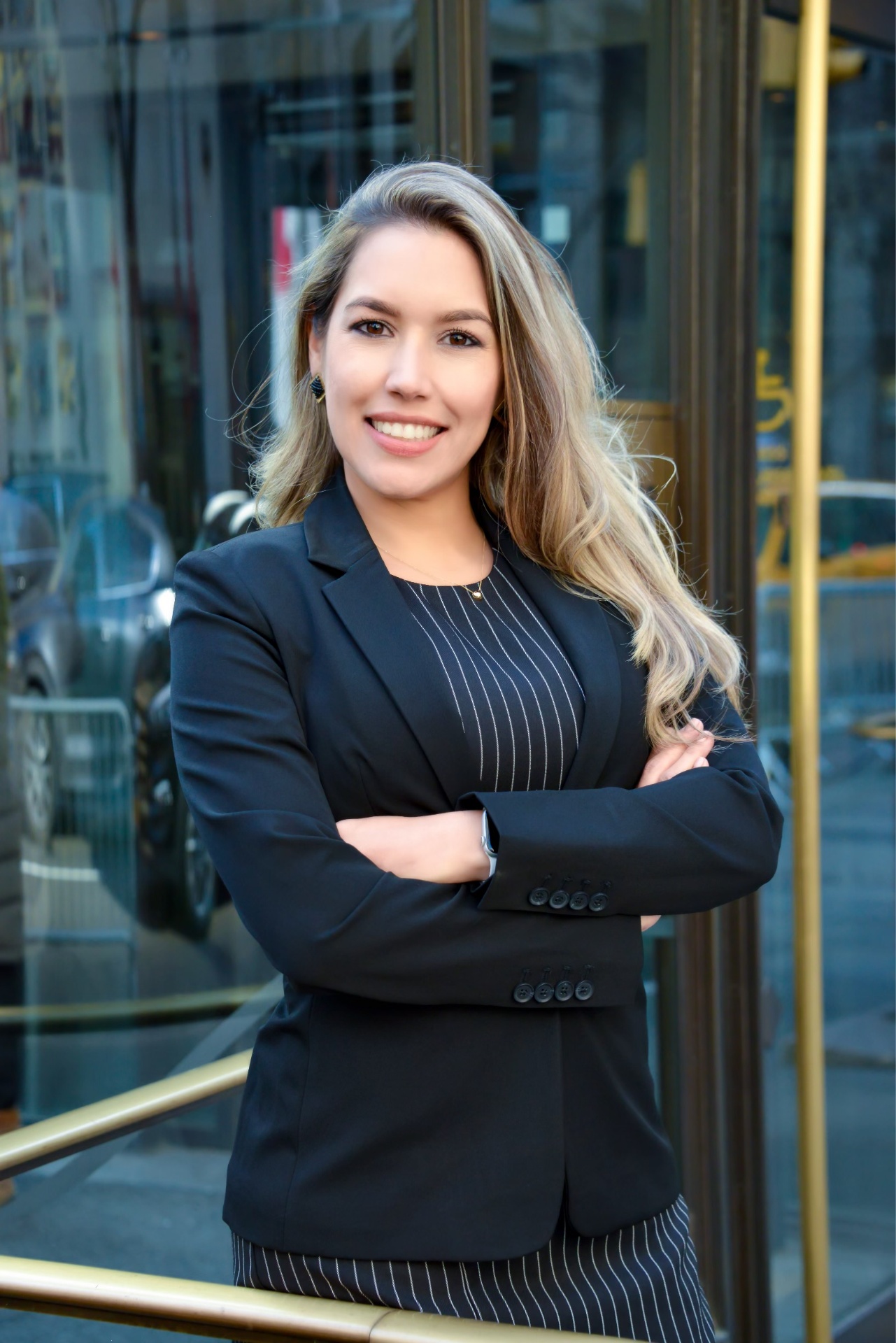
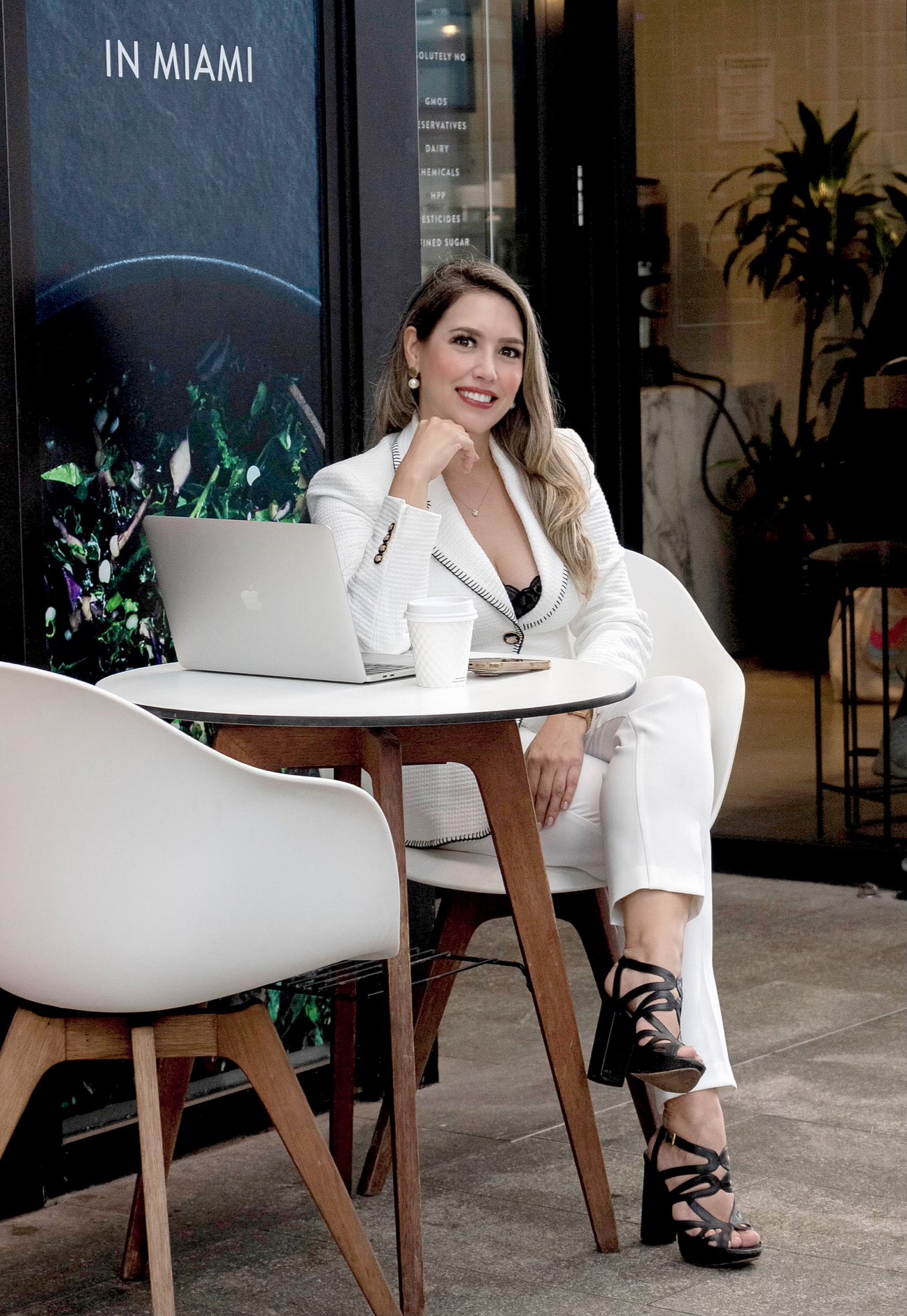
By Lynda Osorio, MBA · Personal & Corporate Image Consultant · Miami, FL
April 22, 2026 · 5 min read

The worst enemy of a virtual keynote is not technology. It is indifference.
When you have 800 people connected from several countries — each one at home, camera off, chat pinging, kids in the background and email open in another tab — the challenge is not technical. It is human.
How do you give someone a real reason to close their inbox and stay with you for 60, 90 or 120 minutes?
I have delivered 500+ talks for companies across LATAM and the USA. What I learned from virtual sessions is in no Zoom manual.
The mistake 90% of speakers make in virtual sessions
They treat the screen as if it were an auditorium.
They project. They read their slides. They speak toward the front as if someone were in front of them. And when they finish, they ask for questions — and there is silence.
The problem is that online there is no “front.” Every person is alone, facing a screen, in their own bubble. If you don't speak directly to that person — not to “the attendees,” but to that individual — there is no connection.
The fundamental rule of effective virtual keynotes: speak in the singular, even with 800 people connected.
The 5 principles I use in every virtual session
1. The hook in the first 90 seconds
In person, the energy of the room helps. Online there is no room. You have 90 seconds to give that person a reason to stay.
Don't open with “welcome everyone, today we're going to cover...” Open with a question only that person can answer. Or with a fact nobody expected. Or with a statement that contradicts what everyone believes.
A real example I use: “How long have you been with your company? Good. Now think: how many people in that company truly know how good you are at what you do? If the answer isn't ‘everyone,’ this workshop is for you.”
In 15 seconds I created personal relevance. Now they have an individual reason to stay.
2. Interaction every 7 minutes
Sustained attention in a virtual environment without interaction lasts roughly 7 minutes. After that point the brain starts drifting toward other tasks.
You don't need elaborate activities. It can be as simple as: “Type one word in the chat that describes how you arrived at this session today.” Or a yes/no question with an emoji reaction. Or a 20-second poll.
What matters is not the content of the interaction — it is the act of asking the person to come back to the screen and do something active.
3. On-camera presence as a connection tool
Online, your camera is your stage. What you project through it determines whether the person on the other side feels they are with an expert or watching a YouTube tutorial.
The elements I control in every session:
- Framing: head and shoulders, with space above the head. Camera at eye level — never from below.
- Lighting: light source in front of me, never behind. A window behind creates a silhouette; a window in front creates presence.
- Background: clean, branded or neutral. A cluttered background fragments attention.
- Energy: the extra 30% of energy you bring in person, bring it online. The screen dampens everything — speak with “normal” energy and they will receive half.
4. Structure in 20-minute blocks
The virtual keynotes that hold attention best are not the shortest — they are the best structured. I organize every session into blocks of no more than 20 minutes, each with an opening, a development, a close and a bridge to the next block.
The bridge is key: end each block with a preview of what's next. “Now that we know X, in the next 20 minutes we'll see something that will completely change how you approach Y.” Anticipation creates curiosity — and curiosity retains.
5. The closing that stays
The last minute of a virtual keynote is the one people remember most. Don't waste it on “well, that's all, thank you for your time.”
Close with one concrete, specific, small action the person can take in the next 24 hours. Not “apply everything you learned today.” Instead: “This week, before Friday, do ONE thing: look at your LinkedIn profile photo and ask yourself whether it communicates the authority you deserve to project.”
One action. Concrete. With a deadline.
What works differently in LATAM vs. the USA
I have delivered virtual keynotes for companies in the USA and LATAM — and also for Latino organizations in Miami and South Florida.
There are real cultural differences that affect the format:
In LATAM: the audience responds better to warmth, personal story and emotional connection before moving into technical content. Building initial rapport can take longer — and it is worth the time. Chat questions are more frequent and more personal.
In the US Hispanic market: there is a blend of both cultures. They appreciate Anglo-Saxon efficiency and structure, but respond better to a Latin American relational tone. Bilingual sessions — or Spanish sessions with US-context examples — see notably higher engagement than those that ignore that duality.
Why virtual all-hands fail
The virtual all-hands — that company-wide meeting where “the CEO will talk about this year's strategy” — is the format that most consistently fails in Latin American corporate environments.
The reasons are always the same: they talk too much, interact too little, don't personalize the message for whoever is on the screen and end with “questions?” into 30 seconds of silence.
An effective virtual all-hands is a production, not a meeting. It requires structure, designed participation moments, a moderator with an active role and a close that sparks conversation — not just digital applause.
Lynda Osorio, MBA is a Personal & Corporate Image Consultant and founder of Power Image LLC in Miami. International speaker on image and executive presence, personal shopper and wardrobe strategist, and author of The Power of Image and Dressed to Lead. With 20+ years of experience, 500+ talks, and 10,000+ professionals trained.
Frequently asked questions about virtual keynotes
- What makes a virtual keynote effective for companies in Colombia?
- The combination of a fast emotional hook, frequent interaction, block structure and a close with a concrete action. In the Colombian context, the speaker's warmth and the connection to local examples are also decisive factors.
- How long should a virtual keynote be to hold attention?
- The optimal format for virtual corporate keynotes is 60 to 90 minutes, with interaction every 7-10 minutes. Beyond 90 minutes without a very solid structure, attention drops significantly.
- How is engagement measured in a virtual keynote?
- Through chat participation, poll responses, percentage of cameras on, questions generated and — the most honest indicator — how many people are still present at the end versus the beginning.
- Does Lynda Osorio deliver virtual keynotes for companies in Colombia?
- Yes. Lynda Osorio delivers 100% virtual corporate keynotes in Spanish for companies in Colombia and across Latin America, on business image, personal branding and executive presence. Sessions include digital materials and post-session follow-up.
- What is technically needed for a high-level virtual keynote?
- From the speaker's side: HD camera, condenser microphone, studio lighting and a stable connection. From the company's side: a platform with interaction features (Zoom, Teams, Webex), an active chat moderator and technical support available during the session.